
Dr Madan Kataria · Laughter Guru
Kataria invites you to laugh deliberately. I’d use this to explore what NLP calls state: the combination of attention, feeling and physical readiness you bring into a moment. Try one round, pause, and notice your breathing. Then say the first line of a presentation aloud. What, if anything, do you hear in your voice?

Masaru Emoto water experiment · UnderGroundNation
I’d watch the water-crystal images as an exercise in suggestion. Read the label, then notice which detail your eye goes to first. The pictures alone can’t establish that words changed the water. The question you can test for yourself is about attention. Look at the same image with a different word in mind. What do you notice this time?

Tony Robbins · Shared by Aiyam
Take one word from this clip: confidence. In an NLP conversation I’d ask, “Confident enough to do what?” Suppose it’s naming your price to a buyer. What figure would you say? For a self-hypnosis rehearsal, picture the buyer asking the question, hear yourself name the figure, then give them room to answer. You’ve chosen something you can practise and recognise when it happens.
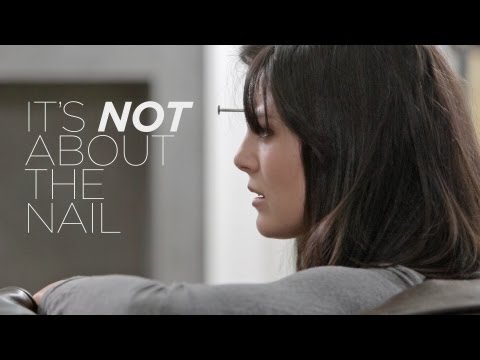
Jason Headley
Watch the point where he spots the nail. He has an answer while she’s still describing the problem. That timing is what I’d listen for. In NLP, building rapport starts with finding out what matters to the other person. Next time someone brings you a problem, try asking, “What would be useful from me right now?” Give them time to tell you.

Prince Ea
Prince Ea takes on the idea of putting happiness off until some future milestone. Listen for your own version of “when”. What have you said you’ll make time for when the business reaches a certain size? In NLP, future pacing means mentally stepping into a particular occasion. Pick a day this week. Picture where you are, who’s there and the first thing you’ll actually do.

Dan Lok
Listen for a line you’d actually use in your own voice. If it’s “back yourself”, what would that sound like when a client asks for your recommendation? For a self-hypnosis rehearsal, bring that client to mind, hear the question and say your first sentence aloud. Keep the words you’d be willing to use across the table.

Thich Nhat Hanh · Plum Village App
Listen to the space Thich Nhat Hanh leaves between phrases. I’d borrow that pacing for a conversation where the answer matters. Ask your question, take one easy breath and let the other person have the silence. What do you hear when you give them that extra moment?

Dr Joe Dispenza · After Skool
The part I’d take into performance hypnosis is mental rehearsal. Pick a familiar cue, such as the sound of an incoming call. What usually comes next? Picture one action you’d like to try on the next call, perhaps putting your pen down and listening to the first sentence in full. Afterwards, check what you actually did.

Take the leap Motivation
The jar gives an abstract word, “priorities”, a shape you can picture. That’s one reason I use metaphor in hypnosis: you get to decide what the image stands for in your life. Which part of your week deserves space first? Open your calendar and give it a real time.

Sandra Rolus
Listen to the same phrase twice. The first time, follow its rhythm. The second time, attend to the meaning of one word. What changes in the way you hear it? I’d use that observation when choosing a phrase for self-hypnosis: which words still mean something to you when you slow down and repeat them?

Brené Brown · Shared by Diana Simon Psihoterapeut
Listen for the moment a reply starts with “at least”. Where does the conversation go from there? An NLP skill I’d practise here is checking my understanding in the other person’s words. If a teammate says, “I felt left out of that decision,” I might ask, “Which part did you want to be involved in?” Then I’d wait for their answer.

Dr Joe Dispenza
I’d pause on the phrase “next level”. In NLP, I’d ask what that means in terms someone else could observe. Suppose your answer is leading a meeting. What would your team hear you ask, and what decision would you invite them to make? Use that moment as the focus of a rehearsal, then try it at your next meeting.
